

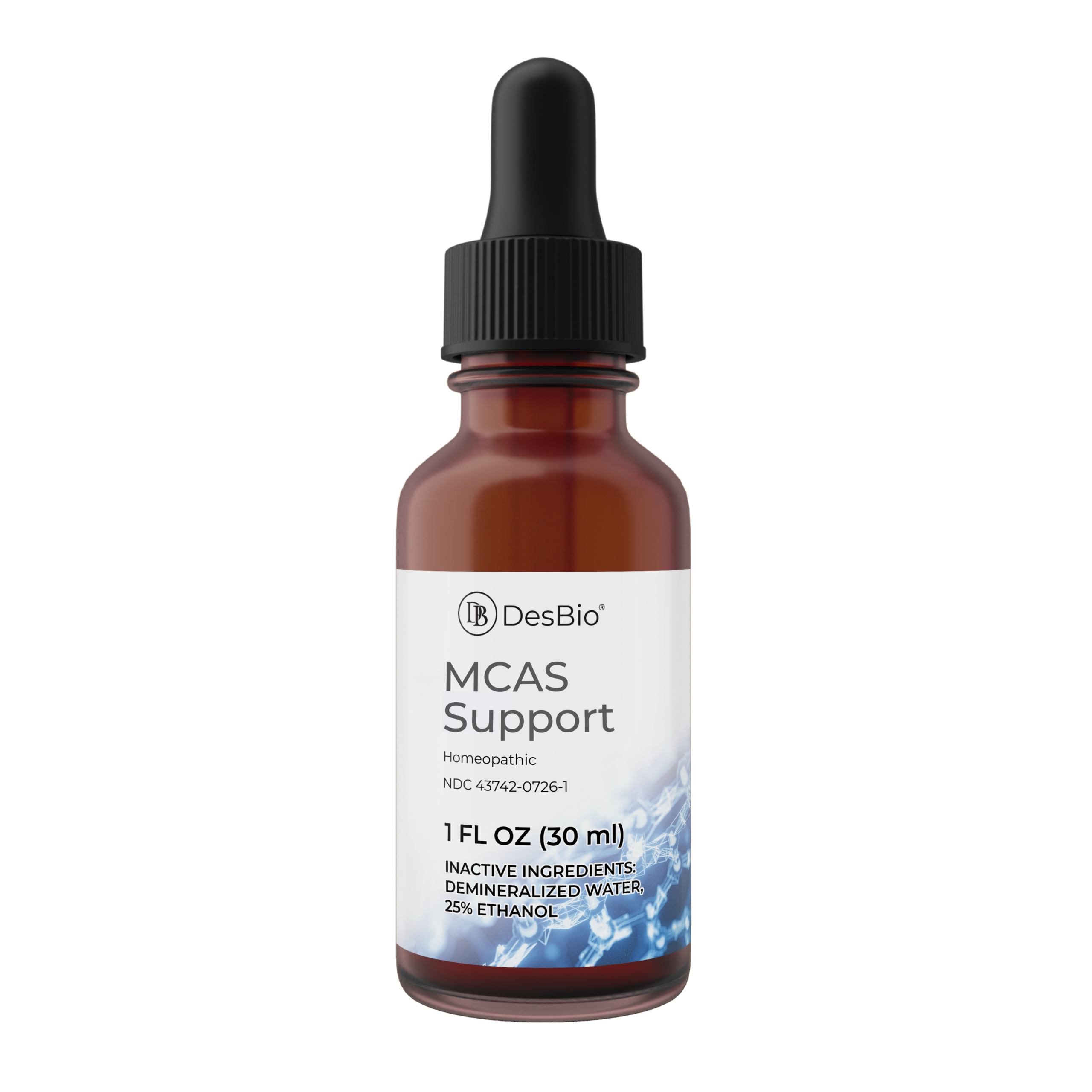
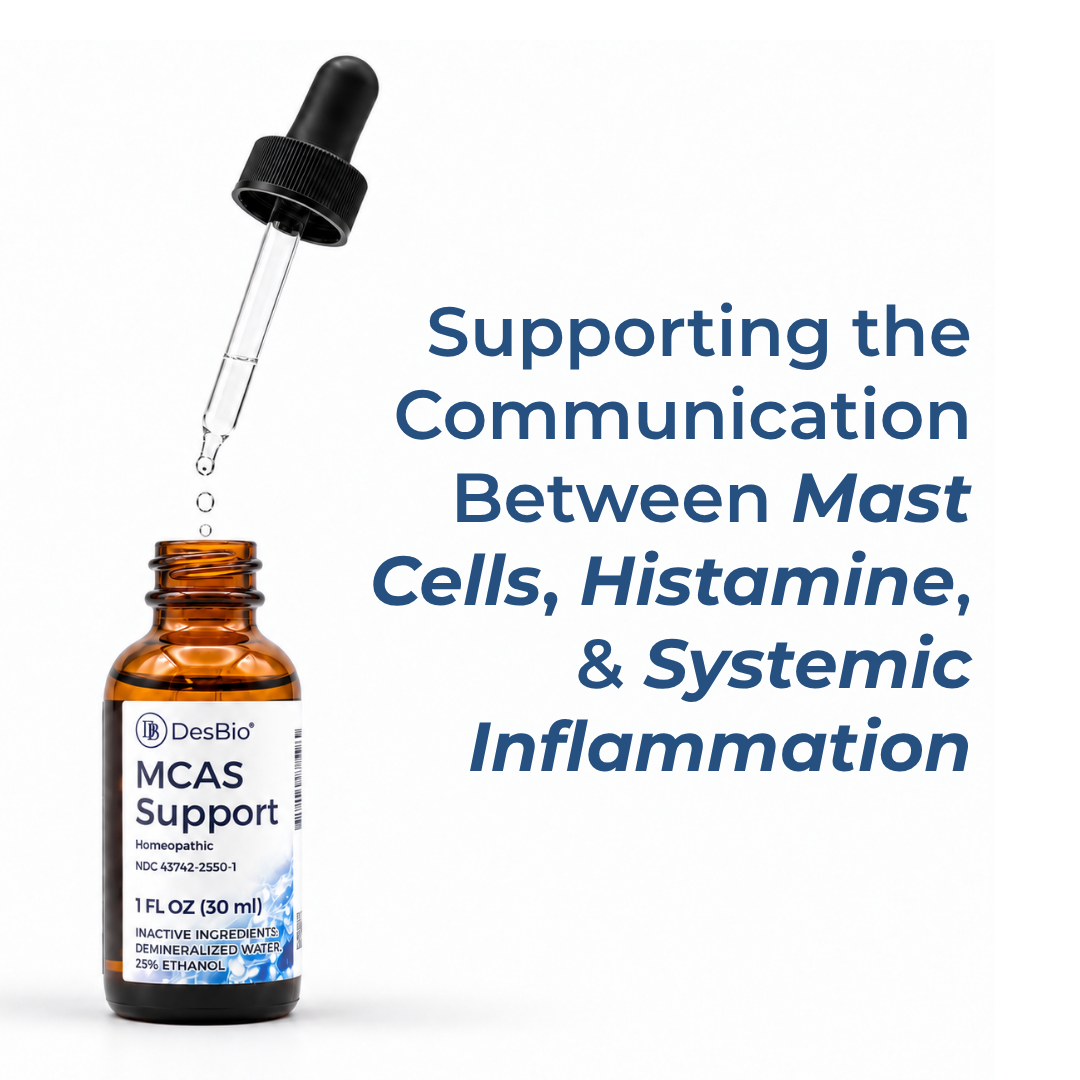

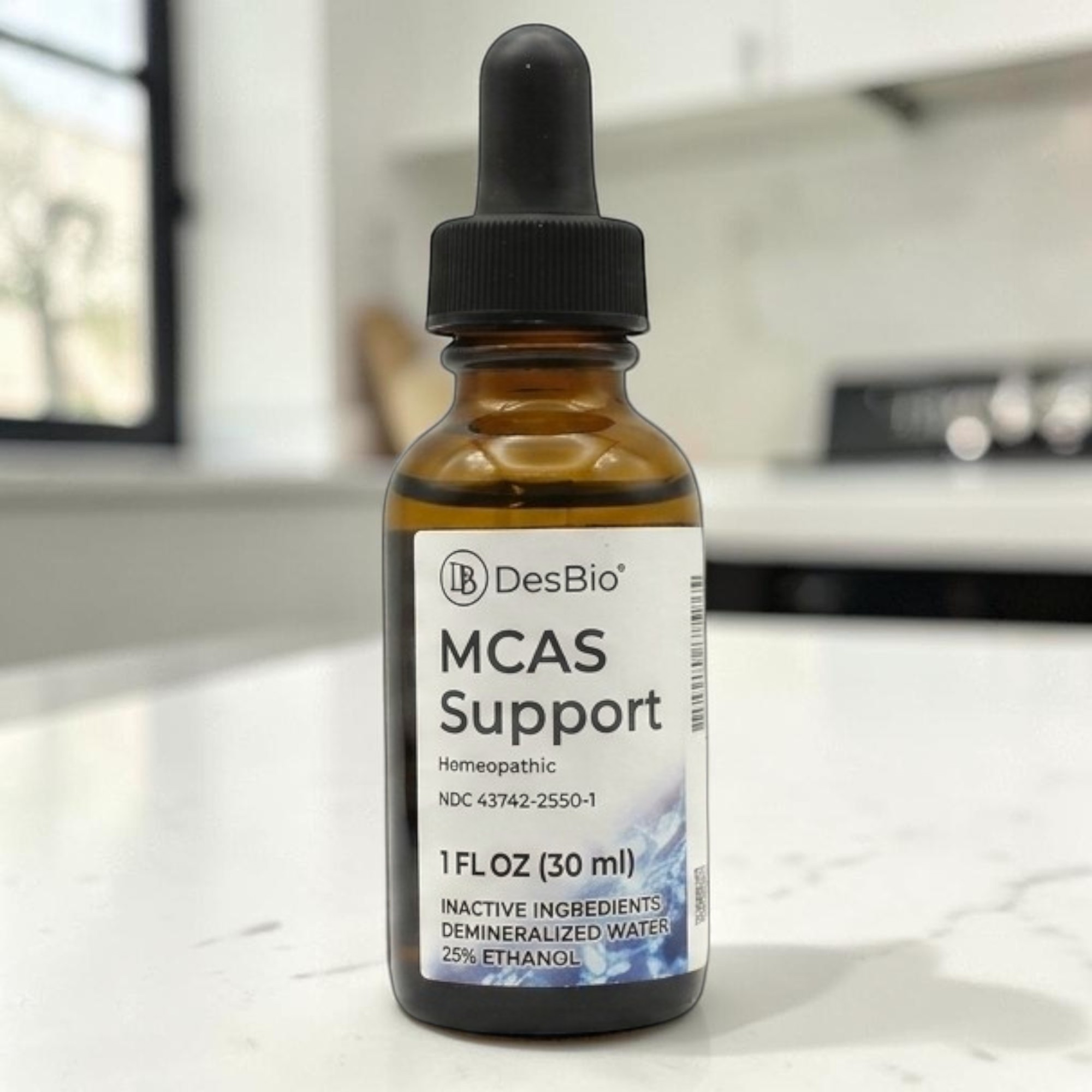

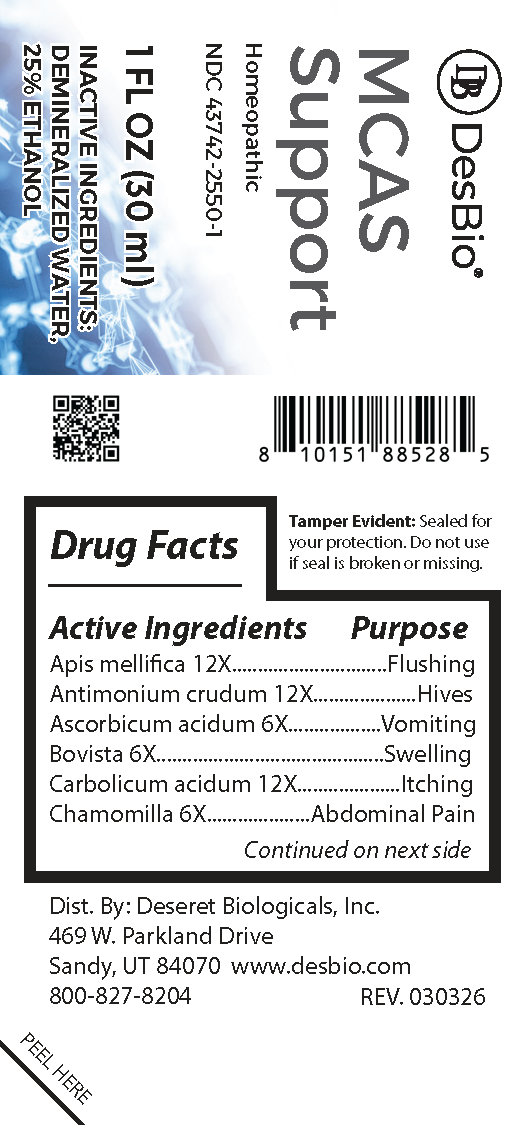
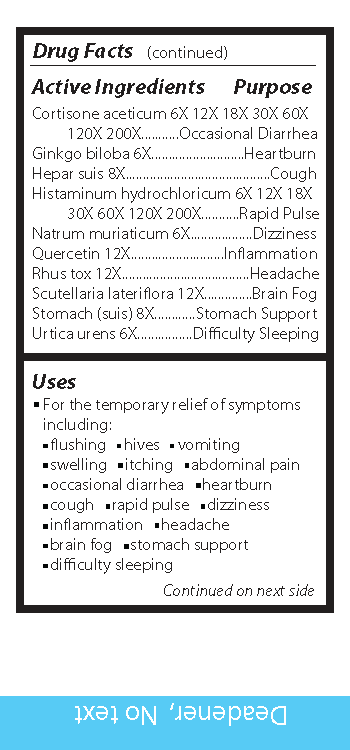
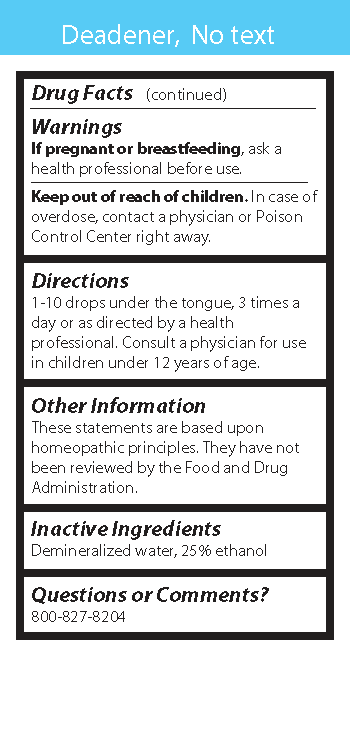
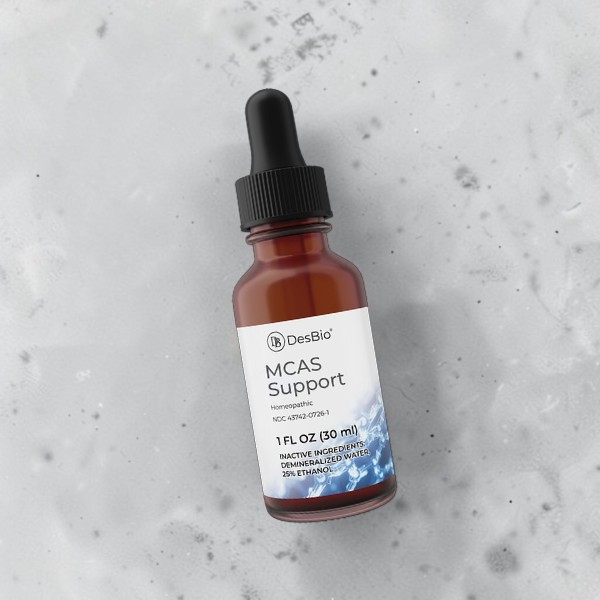
MCAS Support
Calm the Cascade Before It Becomes a Storm
- Supports healthy histamine balance and immune regulation
- Supports gastrointestinal comfort
- Supports nervous system balance
- Supports skin health
- Supports respiratory resilience
- Apis mellifica 12X
- Antimonium crudum 12X
- Ascorbicum acidum 6X
- Bovista 6X
- Carbolicum acidum 12X
- Chamomilla 6X
- Cortisone aceticum 6X, 12X, 18X, 30X, 60X, 120X, 200X
- Ginkgo biloba 6X
- Hepar suis 8X
- Histaminum hydrochloricum 6X, 12X, 18X, 30X, 60X, 120X, 200X
- Natrum muriaticum 6X
- Quercetin 12X
- Rhus tox 12X
- Scutellaria lateriflora 12X
- Stomach (suis) 8X
- Urtica urens 6X
- Demineralized Water
- 25% Ethanol
- Adults: 10 drops orally three times daily or as directed by your healthcare practitioner.
- Sensitive patients may begin with fewer drops and gradually increase as tolerated.
- May be used alongside broader practitioner-guided immune, drainage, gastrointestinal, or detoxification protocols.
MCAS Support is for the temporary relief of symptoms including flushing, hives, vomiting, swelling, itching, abdominal pain, occasional diarrhea, heartburn, cough, rapid pulse, dizziness, inflammation, headache, brain fog, stomach support, and difficulty sleeping.
When the Immune System Becomes Overprotective
Mast cells are immune cells strategically located throughout the skin, lungs, digestive tract, connective tissue, and nervous system. Their normal role is to coordinate immune defense and tissue repair by releasing chemical messengers such as histamine, prostaglandins, cytokines, leukotrienes, and growth factors.1,2
In susceptible individuals, however, mast cells may become overly reactive, responding to foods, environmental triggers, stress, infections, temperature changes, hormones, or other stimuli with an exaggerated release of inflammatory mediators. This widespread activation may contribute to symptoms affecting multiple organ systems simultaneously.2,3
MCAS Support was developed to provide homeopathic support for the body's adaptive response to these complex immune signaling pathways by addressing many of the symptom patterns practitioners commonly observe in patients experiencing mast cell activation and histamine dysregulation.*2,3
Targeted Formula Highlights
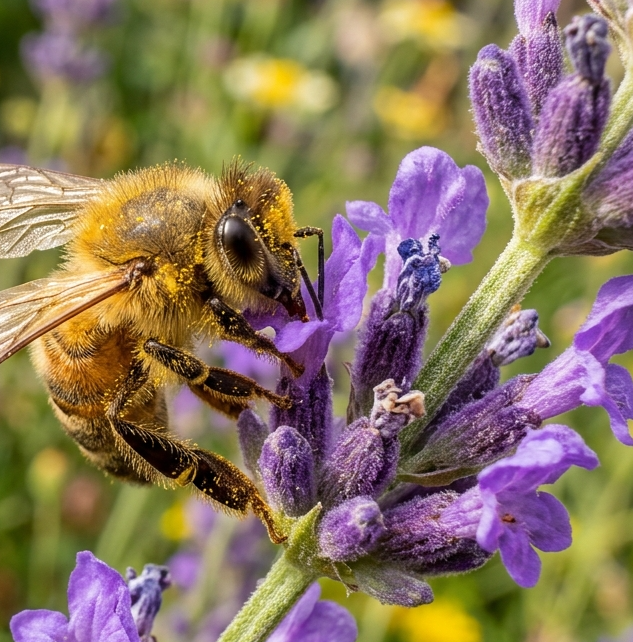
Apis mellifica
Traditionally used in homeopathy for symptom patterns involving swelling, redness, heat, and itching.*
- Skin comfort*
- Healthy vascular responses*
- Local tissue comfort*
- Immune balance*
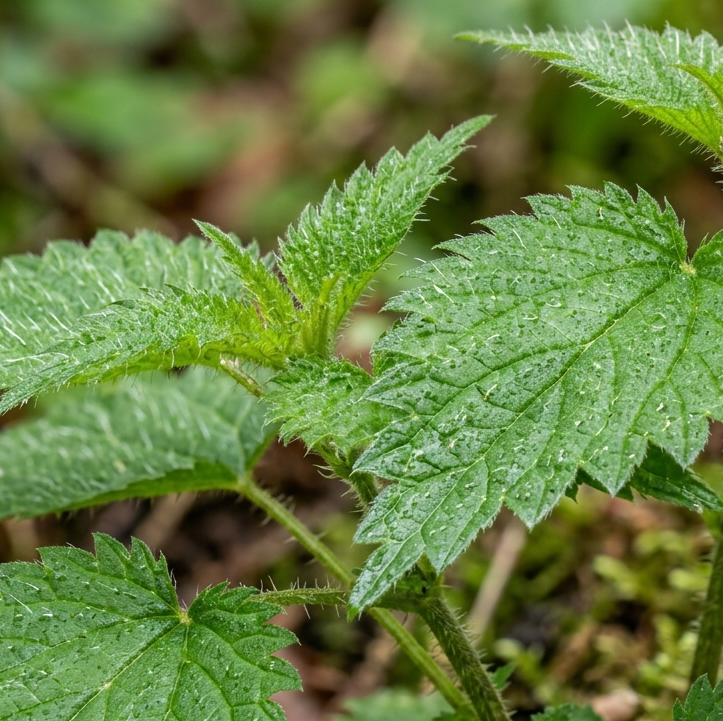
Urtica urens
Traditionally used for symptom patterns associated with itching and skin irritation.*
- Skin comfort*
- Histamine-related symptom patterns*
- Immune regulation*

Chamomilla
Supports gastrointestinal comfort and healthy digestive function.*
- Digestive comfort*
- Abdominal relaxation*
- Healthy gastrointestinal function*
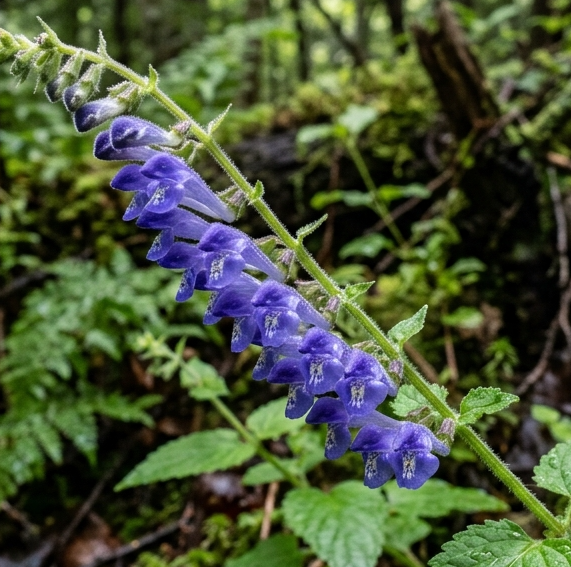
Scutellaria lateriflora
Traditionally used to support nervous system balance during periods of physiological stress.*
- Calm nervous system function*
- Cognitive clarity*
- Stress resilience*
- Healthy sleep*

Ginkgo biloba
Supports healthy cerebral circulation and cognitive performance.*
- Brain function*
- Mental clarity*
- Healthy circulation*
- Cognitive resilience*
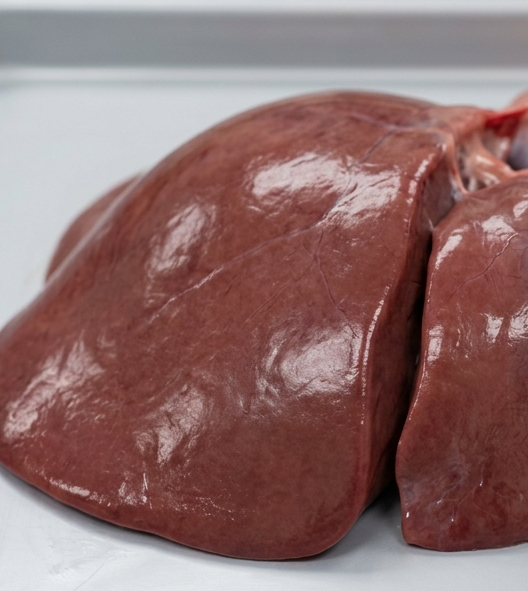
Hepar suis
Homeopathic sarcode selected to support healthy liver physiology and detoxification pathways.*
- Liver function*
- Histamine metabolism*
- Detoxification*
- Immune regulation*
A Multi-System Approach to Mast Cell Support
Unlike products that focus only on histamine, MCAS Support was formulated to support multiple physiological systems commonly affected during mast cell activation.*

Histamine Regulation
Supports healthy histamine balance and appropriate immune signaling throughout the body.*2,6

Skin Support
Supports healthy inflammatory responses associated with flushing, redness, itching, hives, and swelling.*1,2

Gastrointestinal Function
Supports healthy digestion, intestinal comfort, and gastrointestinal immune balance.*7,8

Neuroimmune Communication
Supports healthy communication between the nervous system and immune system to promote cognitive comfort and resilience during periods of immune activation.*4,5

Liver & Histamine Metabolism
Supports the body's natural detoxification pathways involved in histamine metabolism and immune regulation.*6

Respiratory Comfort
Supports healthy respiratory function during seasonal and environmental immune challenges.*1,2

Who It's For
Practitioners may consider MCAS Support for patients experiencing symptom patterns such as:
- Histamine sensitivity
- Flushing
- Hives
- Itching
- Food sensitivities
- Environmental sensitivities
- Digestive discomfort
- Brain fog
- Dizziness
- Sleep disruption
- Chronic inflammatory symptom patterns
- Respiratory irritation
- Complex multi-system immune presentations
MCAS Support is not intended to replace any prescribed medications and should be used as part of a comprehensive approach under the guidance of a healthcare professional.
Quality You Can Trust
Experience These Results

Supports Immune Balance
Healthy mast cells are essential for appropriate immune communication. Supporting balanced mast cell activity helps with normal inflammatory signaling and tissue homeostasis.*1,2

Better Histamine Support
Histamine plays important roles far beyond allergic reactions, influencing digestion, circulation, neurological signaling, and immune communication. Healthy regulation supports appropriate physiological responses throughout the body.*6

Digestive Comfort
Nearly 70% of the body's immune system resides within the gastrointestinal tract. Mast cells located throughout the intestinal lining influence gut permeability, motility, digestive comfort, and immune tolerance. Supporting gastrointestinal immune balance may promote overall digestive wellness.*7,8

Nervous System Support
Mast cells communicate directly with nerve cells throughout the brain and peripheral nervous system. Healthy neuroimmune communication supports cognitive function, emotional resilience, sleep quality, and overall neurological comfort.*4,5
These statements have not been evaluated by the Food and Drug Administration. This product is not intended to diagnose, treat, cure, or prevent any disease. Individual results may vary with dietary supplements and homeopathic remedies. For homeopathic products, statements are based upon traditional homeopathic practices.
MCAS Support
Calm the Cascade Before It Becomes a Storm
- Supports healthy histamine balance and immune regulation
- Supports gastrointestinal comfort
- Supports nervous system balance
- Supports skin health
- Supports respiratory resilience
References
- Krystel-Whittemore M, et al. Mast Cell: A Multi-Functional Master Cell. Frontiers in Immunology. 2016.
- Valent P, Akin C, et al. Definitions, Criteria and Global Classification of Mast Cell Disorders with Special Reference to Mast Cell Activation Syndromes. International Archives of Allergy and Immunology. 2012.
- Afrin LB. Never Bet Against Occam: Mast Cell Activation Disease and the Modern Epidemics of Chronic Illness and Medical Complexity. 2016.
- Theoharides TC, et al. Mast Cells, Neuroinflammation and Brain Disorders. Experimental Neurology. 2012.
- Theoharides TC. Neuroimmune Interactions and Mast Cell Activation. Journal of Neuroinflammation. 2015.
- Maintz L, Novak N. Histamine and Histamine Intolerance. American Journal of Clinical Nutrition. 2007.
- Bischoff SC. Role of Mast Cells in Gastrointestinal Disorders. Current Opinion in Gastroenterology. 2009.
- Venter C, et al. Histamine Intolerance: Current Evidence and Clinical Practice. Clinical and Translational Allergy. 2021.