


How to Choose a Clean Protein: What Actually Matters
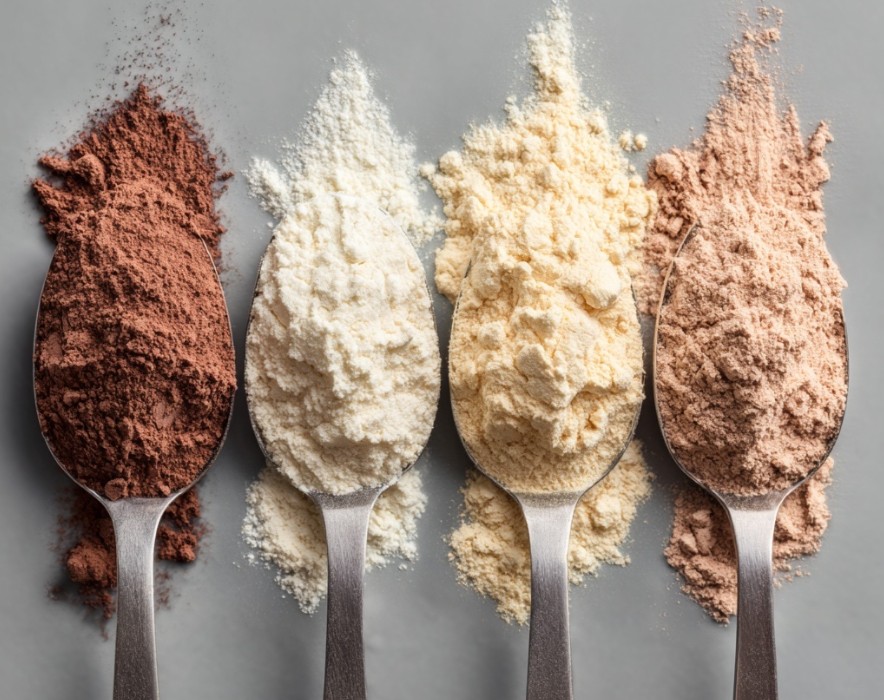
Walk into any health food store or scroll through any wellness website and you’ll find dozens of protein powder options promising clean, pure, optimal nutrition. But what does “clean protein” actually mean? And how do you cut through the marketing to find something that actually supports your patients’ health goals?
The protein powder industry has exploded, but quality varies wildly. Some products deliver exactly what they promise. Others hide behind impressive-sounding labels while stuffing their formulas with fillers, artificial ingredients, or protein sources that aren’t quite what they appear to be.
Here’s what to look for when choosing a clean protein for yourself or your patients.
Start with the Source
Not all protein sources are created equal. The source matters for digestibility, amino acid profile, and what else comes along for the ride.
Whey Protein
The default for decades, but not ideal for everyone. Dairy sensitivities are common, and many people experience bloating, gas, or digestive discomfort from whey-based products.
Plant Proteins
Offer an alternative, but they often come with added fibers, gums, or fillers that can cause their own digestive issues.
Beef Protein
A compelling third option. When sourced properly, beef protein is naturally dairy-free, making it suitable for those sensitive to lactose or dairy-based proteins. It’s also naturally free from common allergens found in soy, egg, or whey products.
But here’s where it gets tricky: not all beef protein is actually beef protein.
The Collagen Question
Many “beef protein” products on the market are primarily collagen and gelatin derived from connective tissues, hides, and bones. While collagen has its own benefits for skin, hair, joints, and gut health, it’s not a complete protein source and shouldn’t be confused with actual muscle protein.
Collagen is high in: glycine, proline, arginine, and hydroxyproline
But it lacks: adequate amounts of several essential amino acids that your body needs for muscle repair and overall protein synthesis.
This doesn’t mean collagen is bad. Collagen supports tissue repair, joint health, gut integrity, and structural support throughout the body. But if you’re looking for a protein to support muscle building, recovery, or overall protein needs, you need to know whether you’re getting actual beef protein isolate or primarily collagen.
The best beef protein products combine both: muscle-supporting amino acids from beef protein isolate plus the tissue-supporting benefits of naturally occurring collagen.
What to Look for on the Label
A clean protein powder should have a short, recognizable ingredient list. Here’s what to look for:

✓ Grass-Fed, Pasture-Raised Sourcing
Better fatty acid profile, without hormones and antibiotics common in conventional beef production.
✓ Minimal Processing
Look for hydrolyzed or isolate forms—easier digestion and absorption without excessive processing.
✓ No Artificial Anything
No artificial sweeteners, colors, or flavors. Look for natural sweeteners like monk fruit or stevia.
✓ No Fillers or Gums
Avoid maltodextrin, guar gum, carrageenan—they add nothing nutritionally and can cause digestive issues.
✓ Third-Party Testing
Independent testing for heavy metals, pesticides, and contaminants. Look for brands that share results.
The Amino Acid Profile Matters
A complete protein provides all nine essential amino acids your body can’t produce on its own. The amino acid profile determines what the protein can actually do in your body.
For Muscle Building & Recovery
You want adequate branched-chain amino acids (BCAAs): leucine, isoleucine, and valine. These are critical for muscle protein synthesis.
For Tissue Repair & Gut Support
You want significant amounts of glycine, proline, and hydroxyproline—the amino acids abundant in collagen.
The ideal clean protein delivers both: a complete essential amino acid profile plus collagen-supporting amino acids.
Why We Created Beef Collagen
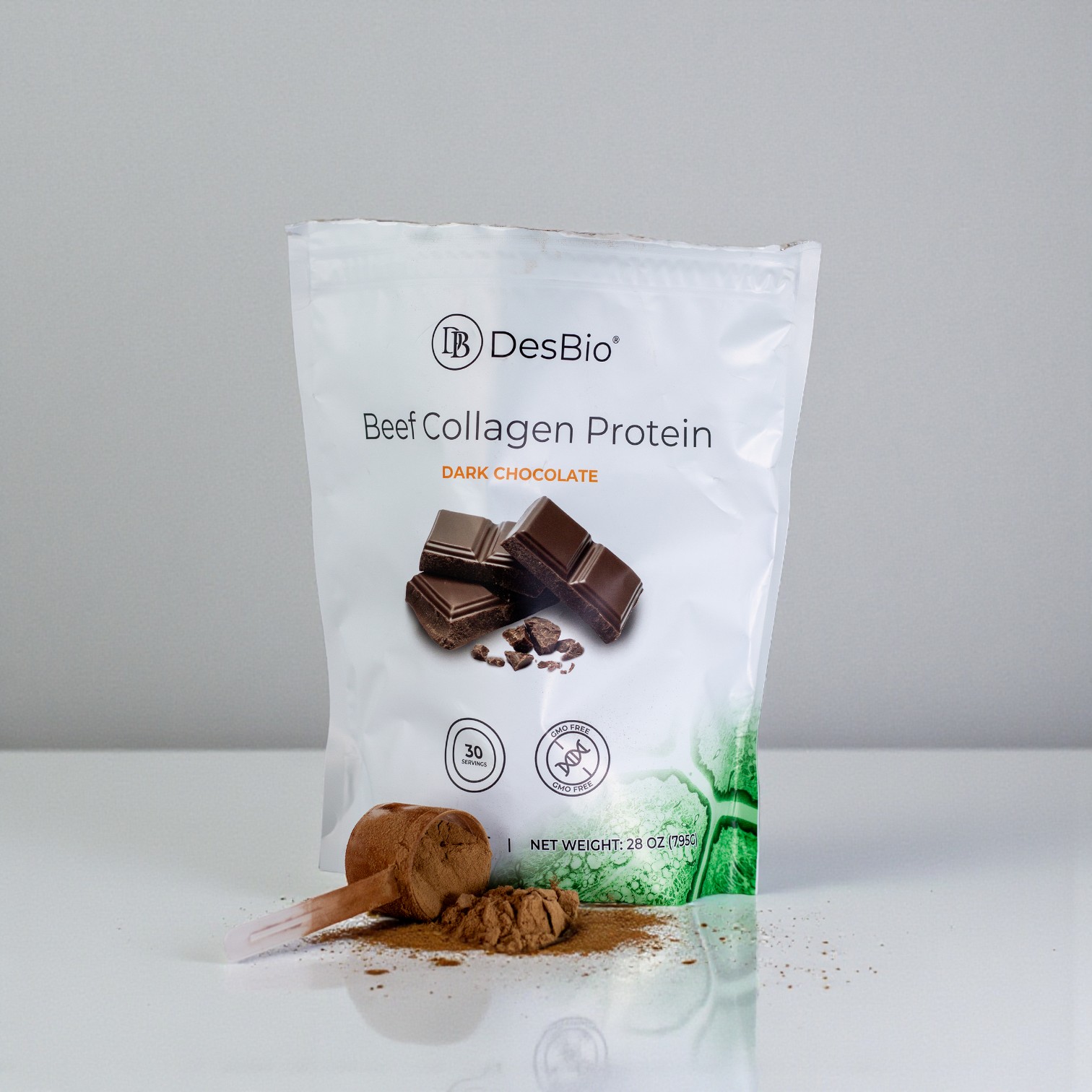
DesBio’s Beef Collagen was formulated to deliver clean, high-quality protein without the ingredients your patients don’t need.
Each serving provides 21 grams of protein from beef stock collagen, naturally rich in the amino acids that support tissue repair, gut integrity, and structural health. The chocolate flavor comes from real cocoa, sweetened with monk fruit extract rather than artificial sweeteners or added sugars.
Three Ingredients. No Fillers. No Artificial Anything.



1.7 mg
Iron (9% DV)
300 mg
Potassium (6% DV)
2g
Carbs (1g fiber)
Mix one scoop with 8-12 fluid ounces of cold water for a simple, clean protein addition to any protocol.
When to Consider Beef Collagen
Beef collagen makes sense for patients who need:
Dairy-Free Options
Whey sensitivities, lactose intolerance, or dairy elimination protocols
Gut Support
The amino acid profile supports intestinal lining integrity
Tissue Repair
Post-surgical recovery, injury healing, or chronic tissue breakdown
Joint Health
Collagen supports cartilage and connective tissue
Clean Supplementation
Patients avoiding artificial ingredients, common allergens, or excessive additives
It’s not a replacement for a whole-foods diet, but it’s a clean, convenient way to add quality protein when patients need additional support.
The Bottom Line
Choosing a clean protein shouldn’t require a chemistry degree. Look for transparent sourcing, minimal ingredients, and a product that delivers actual nutrition rather than fillers and marketing claims.
Beef Collagen keeps it simple: grass-fed beef protein, real cocoa, monk fruit. Three ingredients that make sense. No questions about what’s really in the product.
Because clean protein should actually be clean.
DesBio empowers practitioners and their patients through targeted supplements and homeopathic remedies. DesBio is more than just a product company, we are a partner in your practice. Our practitioners have direct access to consults with our team of medical educators and our training and educational programs focus on diagnostic strategies, clinical how-tos, case studies, and troubleshooting tips to help you manage the increasingly complex needs of your patient base.
Join Our Practitioner Community
If you are a healthcare practitioner and would like to join our DesBio practitioner community, take the next step today.